


Views: 0 Author: Site Editor Publish Time: 2026-08-13 Origin: Site


Modern glass-topped gas hobs look sleek, but combining an open gas flame with a glass surface naturally raises safety concerns. The primary hesitation for many consumers revolves around thermal shock, micro-fracture propagation, and the risk of spontaneous shattering under high heat or heavy cookware loads. People often wonder how a material known for its fragility can safely support boiling pots and direct fire.
Mitigating these risks relies entirely on precise material science. Advanced tempering processes and specific chemical compositions transform standard panels into highly durable cooking platforms. This technical evaluation guide explains how high-quality Gas Cookers Glass is specified, manufactured, and tested to ensure long-term safety and performance in demanding kitchen environments.
Material Composition is Critical: High-performance gas cooktops rely on either advanced borosilicate glass or heavily processed tempered soda-lime glass to survive rapid temperature fluctuations.
Thermal Thresholds: Quality cooktop glass is engineered to withstand sustained temperatures up to 500°C (932°F) without warping or losing structural integrity.
Structural Specifications: An 8mm thickness is the industry standard for balancing thermal conductivity with the mechanical strength required for heavy pots and pans.
Failure Mitigation: Proper tempering creates surface compression that not only resists heat but ensures that, in the event of failure, the glass safely crumbles rather than shearing into dangerous shards.
Understanding how glass survives a kitchen environment requires defining the daily success criteria. Cooktop glass must endure rapid heating cycles, uneven load distribution from heavy cookware, and sudden cooling from spills or cleaning. These elements combine to create a highly stressful environment for any material.
Gas burners transfer heat differently than electric or induction hobs. They create intense, localized heat zones directly adjacent to cooler glass areas. The flame itself does not touch the glass, but the radiant heat and the heat deflected downward by pots create significant thermal loads.
This dynamic introduces thermal gradients. A thermal gradient occurs when one section of the glass is significantly hotter than an adjacent section. Uneven heating is the primary cause of material stress, as the hot area expands while the cool area remains rigid, creating internal tension.
Heat Transfer Type | Source in Gas Hobs | Impact on Glass Surface |
|---|---|---|
Radiant Heat | Open flame and heated cookware bottoms | Creates localized high-temperature zones requiring rapid heat dissipation. |
Conduction | Metal burner components transferring heat | Managed through thermal gaskets and physical separation from the glass edge. |
Convection | Hot air rising around the cookware | Minimal direct impact, but trapped hot air from oversized pots increases surface stress. |
Thermal shock happens when a material experiences a sudden, drastic change in temperature. In a kitchen, this could mean placing a freezing cold pot on a hot burner or spilling cold water on heated glass. Rapid expansion and contraction lead to tensile stress.
When this stress exceeds the structural limits of the material, it exploits microscopic surface flaws in untreated glass, causing it to crack or shatter. High-quality cooktop glass is specifically engineered to resist these rapid temperature shifts without compromising its structural integrity.
A common misconception is that the glass surface itself acts as the cooking vessel. The glass top serves strictly as a structural base and an aesthetic surface, not a direct cooking medium. Direct pot-to-glass contact must be prevented.
Elevated pan supports, commonly known as trivets, are essential. They maintain necessary airflow for the gas burner and prevent catastrophic heat conduction directly into the glass panel. Cooking directly on the glass traps heat and will inevitably lead to material failure.
Trivets provide a physical air gap that acts as an insulating layer between the 500°C flame and the glass surface.
They allow oxygen to reach the burner ports, ensuring complete combustion and preventing dangerous carbon monoxide buildup.
They distribute the physical weight of heavy cast-iron pots away from the center of the glass panel and transfer it to the reinforced edges or chassis.
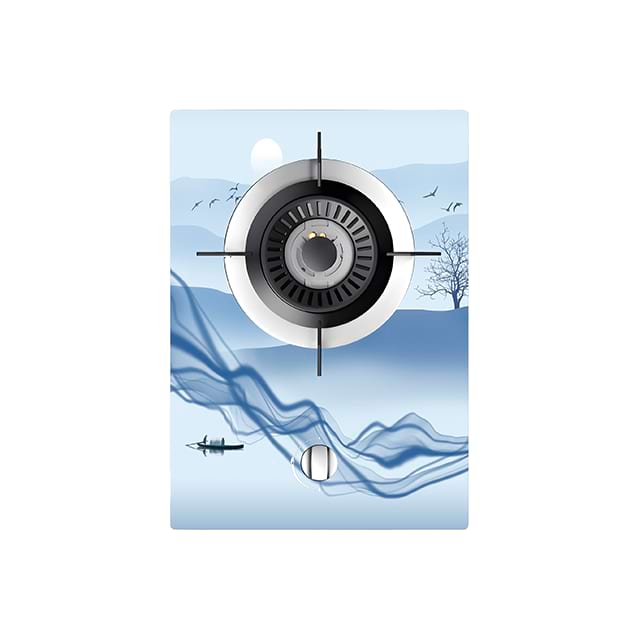
Manufacturers utilize specific materials to meet the rigorous demands of gas cooking. Comparing these materials reveals the engineering behind modern appliance manufacturing and their specific applications in heat resistance.
Borosilicate glass features a very low coefficient of thermal expansion. This makes it highly resistant to thermal shock. Historically, it has been the standard for laboratory equipment and high-end culinary environments because it can endure extreme temperature shifts without expanding or contracting significantly.
However, modern manufacturing often utilizes tempered soda-lime glass for consumer gas hobs. While traditional European borosilicate glass offers superior thermal shock resistance, modern Tempered Gas Stove Glass provides a better balance of high mechanical strength, cost-effectiveness, and adequate heat resistance when properly treated. The shift in materials, similar to changes seen in US Pyrex manufacturing, illustrates how raw material choices impact overall thermal threshold boundaries and impact resistance.
Material Property | Borosilicate Glass | Tempered Soda-Lime Glass |
|---|---|---|
Thermal Expansion | Very Low | Moderate (Managed via tempering) |
Mechanical Strength | Moderate | Very High |
Impact Resistance | Lower | Significantly Higher |
Manufacturing Cost | High | Moderate |
The manufacturing process of tempering is what gives standard glass its incredible strength. The glass is heated to over 600°C in a specialized furnace. Immediately after heating, the outer surfaces are rapidly cooled, or quenched, using high-pressure air drafts.
This rapid cooling creates a state of surface compression, while the core of the glass remains in internal tension. This specific internal stress state gives the glass its extreme heat and impact resistance. It allows the panel to flex slightly under heavy loads and resist the tensile forces caused by thermal expansion.
Kitchen environments expose surfaces to more than just heat. The glass surface is engineered to withstand corrosive kitchen elements, including concentrated acids from spilled food like tomatoes or lemons, and alkaline cleaning agents.
High-quality cooktop glass maintains its structural integrity and aesthetic appeal over time because its non-porous surface resists chemical degradation. This ensures that the microscopic surface flaws, which could eventually lead to thermal failure, are not exacerbated by daily cooking and cleaning routines.
When specifying or evaluating a glass gas hob, several technical benchmarks must be considered. These dimensions dictate the safety, durability, and overall performance of the appliance.
An 8mm thickness for heat-resistant tempered glass is widely recognized as the industry benchmark. This specific thickness provides the necessary mechanical strength to support heavy cast-iron cookware filled with liquids.
There is a distinct trade-off in glass thickness. Thinner glass risks mechanical failure under heavy loads. Conversely, thicker glass can trap heat, increasing the thermal load on the panel, and adds unnecessary weight to the appliance without providing proportionate gains in structural strength.
Quality cooktop glass is rated for specific temperature limits. Sustained operating temperatures for high-grade panels are often rated up to 500°C (932°F). It is vital to differentiate between these sustained temperatures and peak transient temperatures, which the glass can only handle for brief moments.
Heat dissipation rates heavily factor into the safety rating of the cooktop. The glass must be able to shed heat efficiently to prevent localized hot spots from exceeding the material's maximum thermal threshold.
A kitchen is a dynamic environment where accidents happen. The glass must handle blunt force, such as accidentally dropping a heavy pan on the surface. Tempering significantly improves the impact resistance of the glass panel.
There is a direct relationship between thermal resistance and mechanical strength. The same surface compression that prevents thermal shock also provides the rigidity needed to bear heavy loads and resist physical impacts, making tempered glass exceptionally versatile.
Objectively comparing glass against the traditional standard of stainless steel helps validate the purchase decision. Both materials offer distinct advantages and specific performance trade-offs.
Glass possesses different thermal conductivity properties than steel. High-grade glass isolates heat to the burner area much better than a continuous steel chassis. This isolation keeps the surrounding areas, particularly the control knobs, significantly cooler during operation.
Modern glass hobs achieve faster heating and cooling cycles compared to heavy metal grates and steel surfaces. Stainless steel tends to retain heat indefinitely, radiating it back into the kitchen long after the burner is turned off, whereas glass dissipates surface heat much more rapidly.
Tempered glass offers superior scratch resistance compared to stainless steel. Steel is highly susceptible to micro-scratching from abrasive sponges and can suffer from heat discoloration, often referred to as bluing, around the burners.
While keeping glass smudge-free requires regular wiping, it does not suffer from the long-term structural degradation or permanent staining that can affect steel. A well-maintained glass cooktop will look brand new for years, whereas steel inevitably shows signs of wear and tear.
Allow the glass surface to cool completely before applying any cleaning solutions to avoid thermal shock.
Use a dedicated glass scraper at a 45-degree angle to remove burnt-on food debris without scratching the surface.
Apply a non-abrasive cream cleaner specifically formulated for cooktops to lift grease and restore the shine.
Buff the surface dry with a clean microfiber cloth to prevent water spots and streaks.
Despite its strength, glass is not indestructible. Addressing known failure modes and understanding how top-tier manufacturers mitigate them is vital for safe operation.
One of the rare but known risks in tempered glass is spontaneous breakage caused by Nickel Sulfide (NiS) inclusions. These are microscopic impurities trapped in the glass during manufacturing. Over time, and under thermal stress, these inclusions can expand and cause the glass to shatter without warning.
Premium manufacturers mitigate this risk through heat soaking. This secondary testing process involves heating the tempered glass in a controlled environment to force any panels with NiS inclusions to fail in the factory, ensuring only defect-free glass reaches the consumer.
User behavior plays a significant role in cooktop longevity. Using oversized pots, pans, or woks that extend over the glass frame is a major thermal pitfall. Oversized cookware traps heat downward, directing it intensely onto the glass surface rather than allowing it to vent upward.
Blocking burner airflow or using improper abrasive or highly alkaline cleaning agents while the glass is still hot can also induce thermal shock or degrade the surface integrity. Users must follow operational guidelines to prevent these stress-inducing scenarios.
Proper installation is non-negotiable. Incorrect mounting, a lack of thermal expansion gaps, or over-tightened screws create localized stress points. When the glass heats up and attempts to expand, these stress points restrict movement, leading directly to cracking.
The engineering of burner gaskets and heat shields is also critical. These components separate the open flame from direct contact with the glass edge, ensuring the thermal load is managed and distributed safely across the panel.
Safety certifications provide peace of mind. Buyers should look for critical markings such as CE certification and adherence to ISO standards for toughened safety glass.
These certifications ensure the glass has passed rigorous testing. Fragmentation tests, for example, verify that if the glass does break, it crumbles into small, blunt, harmless pebbles rather than shearing into dangerous, jagged shards.
Gas cookers glass is a highly engineered safety material capable of outperforming traditional metals when manufactured and utilized correctly. The combination of precise chemical composition and advanced tempering processes creates a durable, heat-resistant surface ideal for modern culinary demands.
When shortlisting appliances, buyers should verify the material type, ensure a minimum thickness of 8mm, and check for recognized thermal shock and safety certifications.
Request technical specification sheets from manufacturers to confirm the glass thickness and tempering standards.
Verify warranty coverage specifically regarding thermal breakage and spontaneous shattering.
Consult with certified installers to guarantee the appliance is mounted with the correct thermal expansion tolerances.
Inspect the burner gaskets and heat shields upon delivery to ensure they are properly seated and undamaged.
A: High-quality heat-resistant glass used in gas cooktops is typically engineered to withstand sustained operating temperatures up to 500°C (932°F) without warping or losing its structural integrity.
A: Yes, if subjected to extreme thermal shock or severe uneven heating. While highly resistant, manufacturing flaws like Nickel Sulfide inclusions or prior physical damage can also contribute to spontaneous shattering under thermal stress.
A: Borosilicate offers superior thermal shock resistance due to its low thermal expansion. However, tempered soda-lime glass provides higher mechanical impact strength and is more cost-effective, making it the standard for most consumer gas hobs.
A: An 8mm thickness is the industry standard. This dimension provides the optimal balance between necessary mechanical durability for heavy pots and efficient thermal performance without trapping excess heat.
A: No. You must never cook directly on the glass surface. The glass acts as a structural base. Pan supports and grates are structurally necessary to elevate cookware, maintain airflow, and prevent catastrophic heat conduction into the glass.
A: Oversized pots trap radiant heat and direct it back downward onto the glass surface. This prevents proper ventilation and can raise the localized temperature of the glass well past its safe operating thresholds, risking thermal fracture.
A: Always wait for the glass to cool completely before cleaning. Applying cold liquids or damp cloths to hot glass can cause thermal shock. Once cool, use non-abrasive cleaners to maintain surface integrity.


